


Cuban Santería · Orishas
Oggùn
God of iron and work
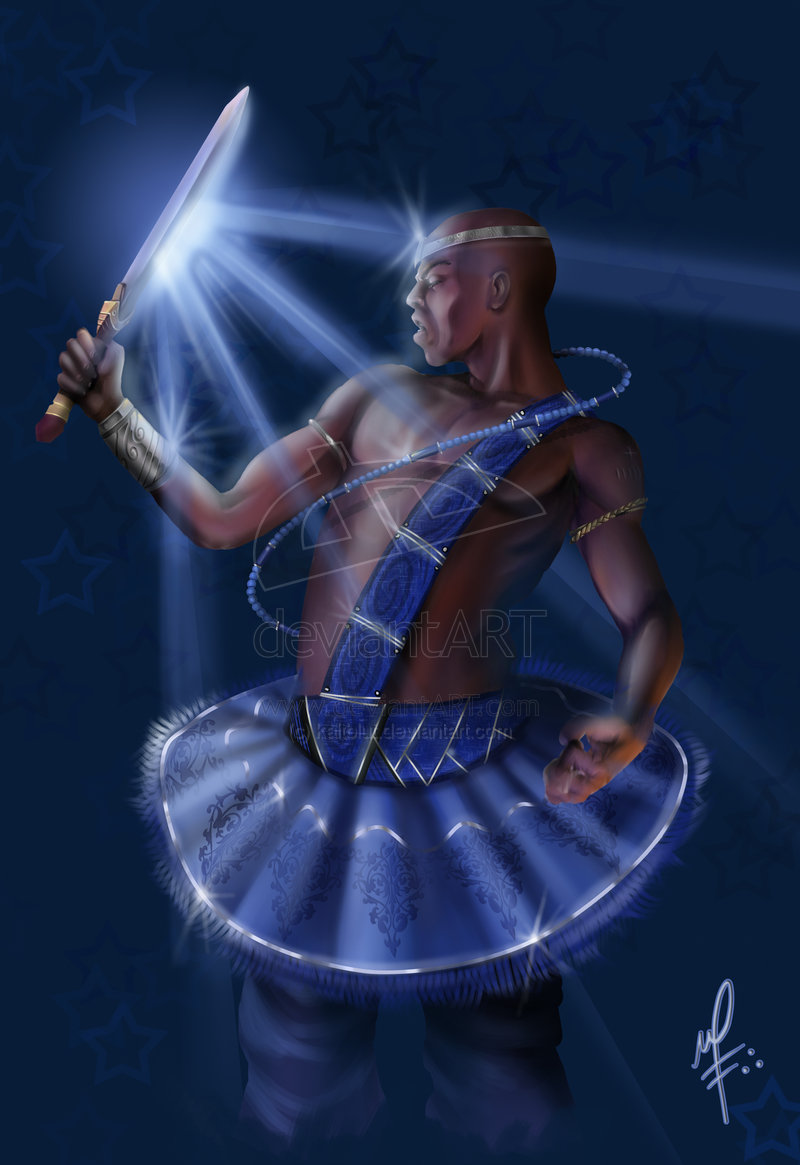
Oggùn
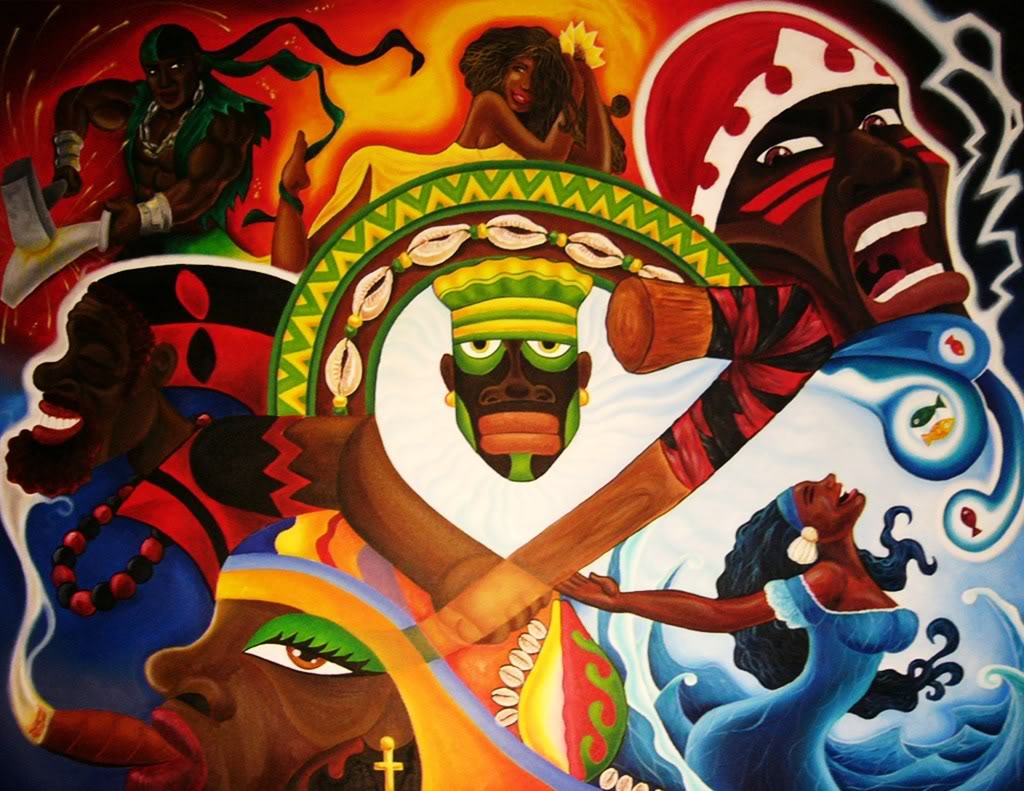
Oggùn is an Orisha feared for his unsociable character and for the power of his weapons. He is nothing less than the archetype of the violent manifestations inherent in human nature. His name means war, destruction, but also medicine, good and evil spirit. He is born from the bowels of the earth, and his mission is to wage war forever on behalf of all men, in religion and in life, because he committed the grave offense of abusing his mother Yemma when Yemayà taught him the art of lovemaking. Obatalà (his father) did not have time to curse him, because it was Oggun who condemned himself, hurling upon himself an anathema that would prevent him from sleeping, by day and by night, for as long as the world would be the world. He gets drunk on aguardiente, in order to forget. According to an ancient Patakì (legend), he was seduced and then abandoned by the alluring Oshùn, who used her charms for the sole purpose of bringing him back toward men, from whom he had withdrawn out of disgust. He is charged with providing nourishment to all the Orisha. He has many contacts with the Eggun, the spirits, and he is fond of sorcery. Brother of Changò, violent and cunning, he is the god of minerals, of mountains, and of iron in general. Officially married to Oya, he lost his wife, who became the faithful lover of Changò, with whom he is in perpetual quarrel. On earth he lives with Ochosi, beside the door of the house so that no evil may enter. He has many caminos: from the strong and barbarous warrior to the sedentary peasant. Closer to human nature than to the divine, this Orisha shares in all earthly troubles and flaws, and is the symbol of the everyday. He rules over keys, chains, prison, and metal in general, from the machete to the cannons. On his shoulder he carries a tiger-striped bag adorned with many shells. He dresses in green and around his waist wears a small skirt of palm fibers that protect from the evils of life. His necklace is made of alternating green and black beads. His dance is very warlike, with a machete in hand, but it also represents work, of the agricultural kind or with anvil and hammer. He protects from fever, from surgical operations and, in general, from all harm caused by ferrous metals and from accidents involving loss of blood. He is the protector of blacksmiths, mechanics, engineers, physicists-chemists, and military men. His days are Tuesday, Wednesday, and the fourth of every month. He is syncretized with Saint Peter.